
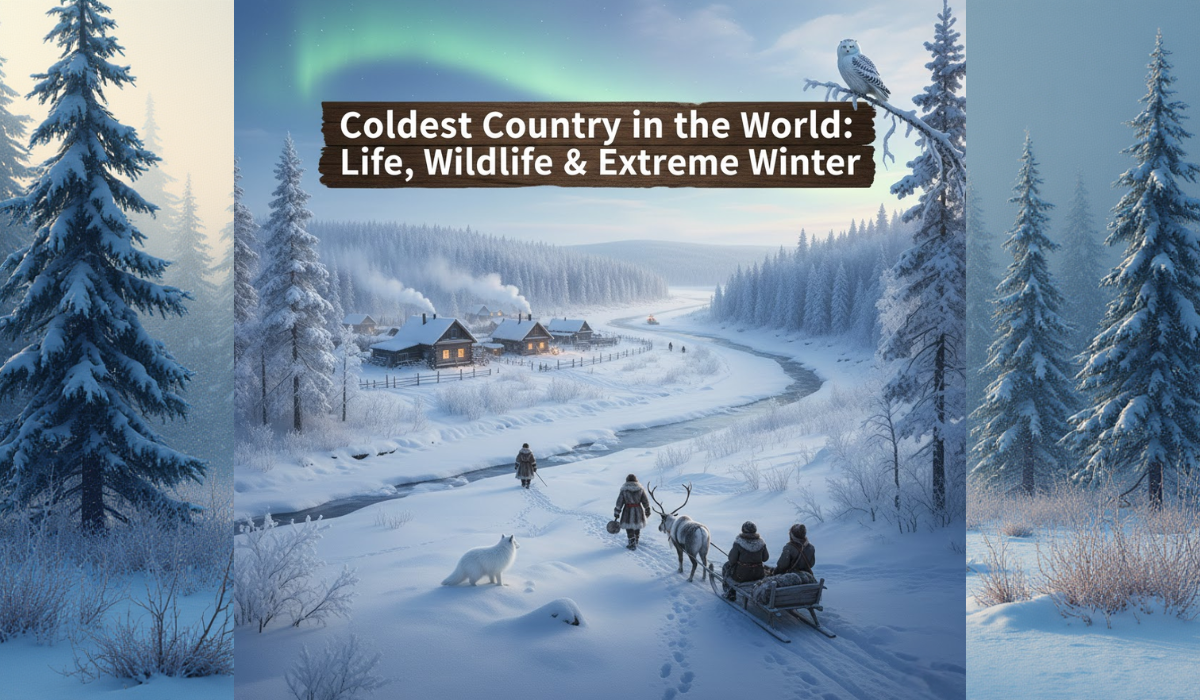
Figuring out what the coldest country in the world is isn’t just a lovely little piece of trivia, it actually gives us insight into all that stuff bordering on extreme geographical, climatic, survival, cultural phenomena, and on how both people and animals can adjust to temperatures that are far lower than anything the majority of us have come across. This question intrigues travelers who dream of a trip to the Arctic, students who learn about Earth’s climate systems, and geography buffs who wonder how the various regions of the planet differ so much.
The concept of the coldest country in the world is determined by scientific factors such as latitude, altitude, polar winds, and long dark winters. By investigating those components in detail, we come to understand not only why certain areas are frozen for most of the year but also how the residents of those places have managed to live in such inhospitable environments.
What Does “Coldest Country in the World” Mean?
It is important to realize what “coldest” actually stands for before we even think about the coldest country in the world. The term can relate to different parameters such as average annual temperature, winter averages, or record breaking lows. In general, scientists use long term climate records to decide which country has the lowest temperatures throughout the year.
It is quite common that in a few places, brief and extreme low temperatures can be observed during rare cold waves and that should not be enough for those places to be given the title of the coldest countries of the world. Actually, the coldest country of the world is the one that is still extremely cold even after the change of seasons, with continuous frost conditions, long winters, lack of sunlight, and a few warm periods.
That helps us to separate those countries that only have incidences of freezing temperatures from ones that are living under a constant blanket of Arctic cold.
How Scientists Measure Climate and Extreme Cold?
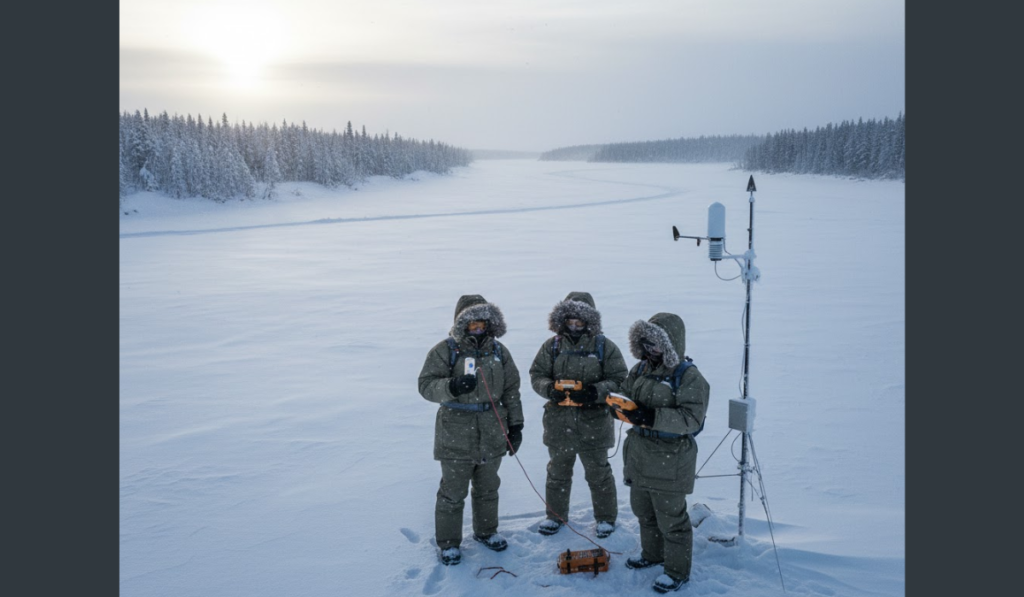
For scientists to figure out how a certain country becomes the coldest place in the world, they depend on detailed climate data that have been recorded for a long time. These are:
Average Annual Temperature
This is the primary factor. Countries in the polar or subarctic areas can record average temperatures that are way below zero.
Seasonal Temperature Variations
Scientists note the temperature of the seasons to determine how hot or cold the summers and winters are. In the coldest countries, even summer stays cold.
Wind Chill and Polar Winds
The coldness of a place is determined by the icy winds blowing from the Arctic or Antarctic. Low temperatures combined with strong winds make the situation dangerous.
Sunlight Hours
Countries close to the poles suffer from polar nights. That is to say, they have months of total darkness during which temperatures drop really low.
Altitude and Terrain
The mountains and plateaus are areas where cold air is trapped and that is why these places get very cold and stay frozen all year round.
Long Term Weather Stations
Enough data from different years is used to find out real climate patterns instead of short term anomalies.
With such means, climatologists are able to pinpoint the exact area that is the coldest country in the world.
The Coldest Country in the World and Its Average Temperatures
Russia is the coldest country in the world. This huge country stretches from Eastern Europe to northern Asia and is home to the coldest regions on the planet. The Siberian part of Russia is well known for its long and harsh winters as well as freezing temperatures, which affect the lifestyle of millions of people.
Average Temperatures
Siberia, for the most part, has an average annual temperature between minus 5 and minus 15 degrees Celsius. In the coldest areas, the average temperature of the winter season may go even lower than minus 40 degrees Celsius, and the local cold waves can make the temperature even lower.
Record Low Temperatures
With the coldest permanently inhabited place on Earth, Russia is the one to beat. The village of Oymyakon recorded a temperature close to minus 72 degrees Celsius one time, making it colder than the majority of the Antarctic regions where people live temporarily. This is why Russia is the coldest country in the world.
Seasonal Climate
The area is dominated by winter for more than six months of the year. Snow remains on the ground for several months, rivers become frozen, and the daylight hours get shorter. Even summer lasts only a short time and is cold; temperatures increase for a short time and then fall again.
These long term climate conditions have determined beyond doubt that Russia is the coldest country in the world and, therefore, is a unique and extreme environment whose features are the freezing winds, icy landscapes, and powerful winter storms.
Other Countries That Experience Extreme Cold
Despite Russia being the coldest country globally, there are still a few other nations that have brutal winters and live in the Arctic region.
Canada
The northern part of Canada is characterized by very low temperatures, dark polar nights, and white snow covered landscapes. There are some areas where the temperature in winter is even recorded as low as minus 50 degrees Celsius.
Greenland
Basically, a part of the Kingdom of Denmark, the icy terrain and glaciers are what make Greenland one of the coldest places on earth. It is a land of subzero temperatures all year round.
United States (Alaska)
However, the whole country is not cold, and only Alaska has to deal with severe winters. It is especially the northern areas where the average temperature during the night falls below minus 30 degrees Celsius.
Norway
The deep freeze is mainly experienced in the north of Norway during winter. Svalbard is therefore a remote Archipelago located in the Arctic and is known for its cold winds and polar nights.
Mongolia
The long severe cold is due to the country’s high altitude over a vast expanse of the steppes.
These countries are not colder than Russia; hence they do not rank above Russia, but with their icy landscapes and strong winter climates, they are still some of the coldest places in the world.
Life in the Coldest Country in the World
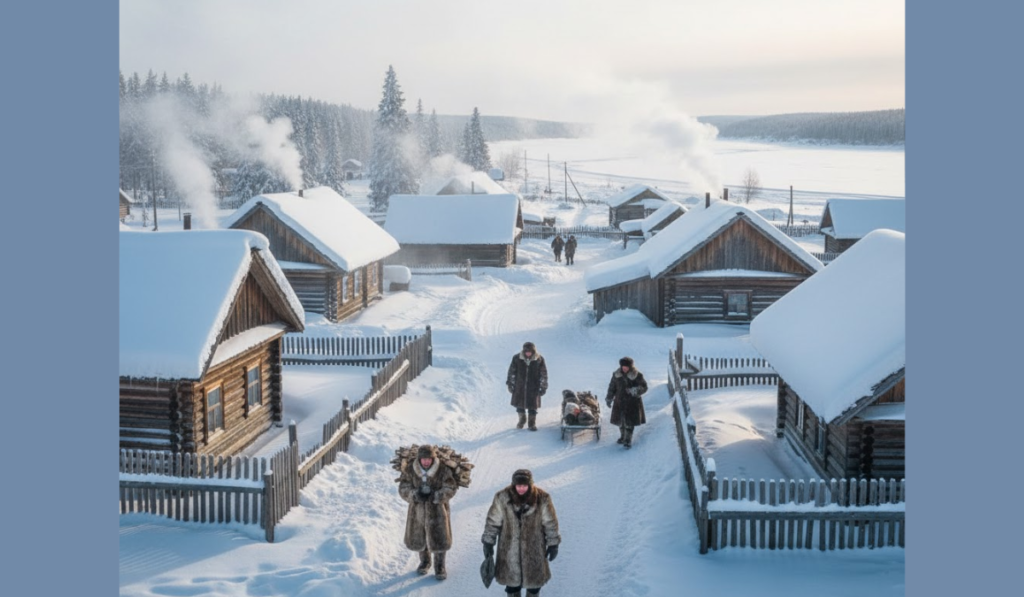
Living in the coldest country on earth is not an easy task and it definitely requires people to be adaptable, resilient, and have a unique culture. The areas of Russia that are the coldest have people that have become artists of the kind of life in extreme freeze in winter temperature.
Housing and Infrastructure
The houses are constructed with very good insulation so that the heat from the inside is kept. Heating systems are very vital and nearly all places use heating networks that are centralized to heat the buildings during the long winter seasons.
Food and Daily Activities
People eat a diet of the kind that is full of proteins and fats which are the body’s heat generators. The traditional meals mostly consist of salted fish, meat, and hot soups. The daily activities are arranged in such a way that they depend on weather activities because if there is a storm it will be hard to move.
Transportation
Cars should be made ready for winter. The machines that are installed in the cars have to be on at all times so that it is not difficult for them to freeze. There are many places that are very far and they can only be reached by snowmobiles or ice roads that are made in winter.
Tradition and Culture
There are winter festivals that are celebrated by the communities. There are also the ice sculptures or traditional clothing such as fur lined garments that are made of essential materials to give warmth.
Those people who live in the coldest country in the world have found clever ways to keep such a life going that it is still vibrant and has meaning despite the freezing climate.
Wildlife and Nature in Extreme Cold Regions
The nature of the coldest country in the world is just as stunning. Only the most resilient species are able to live in Russia’s icy areas.
Animals
The list of animals that have adjusted to the severe cold are reindeer, Arctic foxes, snow leopards, Siberian tigers, and snowy owls. All these creatures have a thick fur, are strong, and have an inherent survival instinct that makes them to live in very cold conditions.
Plants
The plant life is just enough for some shrubs, mosses, and evergreen trees. The tundra is an area where only low plants that can grow during the brief summer can survive.
Landscapes
The area is blessed with stunning ice covered landscapes, huge forests, rivers full of ice, and snow covered plains that go on and on. Nevertheless, these dwellings that are inhospitable, are the home to a rare ecosystem that has been formed by the cold.
Travel Tips for Visiting the Coldest Places
Travellers desiring to discover the coldest country on earth need to take their time and prepare.
Essential Clothing
It is absolutely necessary to have layered clothing, a down jacket, insulated gloves, wool socks, and leather boots. Besides, making sure that no part of the body is left without protection is the most important thing to be straightforwardly safe from the ice.
Best Time to Visit
It is very cold in winter, but out a few travelers choose that period to come and see the polar nights or to get amazed by the ice covered landscapes. Summer has albeit warm temperatures and the day is longer.
Safety Measures
Have a planning with warmly electronic devices, bring along emergency kits, and keep checking the weather forecast. It is much safer, and therefore it is always advisable, to move with a guide when going to the less accessible areas.
Unique Experiences
Visitors have the chance to do ice fishing, dog sledding, Aurora Borealis watching, and attending cultural festivals that present the local traditions.
An excursion to the coldest country on the planet is a hard task but will remain in the memory of the brave ones forever.
Climate Change and the Future of the Coldest Regions
Even the coldest place on earth is not spared from the effects of climate change. Over the last few years, Siberia has displayed significant rises in temperatures, which have resulted in alterations to the ecosystems, melting of the permafrost, and changes in weather patterns.
Rising Temperatures
Though the region is still very cold, researchers have observed that certain areas are getting warmer at a rate that is double the global average.
Effects on Communities
The disappearance of frozen ground is causing deformation of buildings, roads, and pipelines. The coexistence of different lifestyles is the main issue, as winters become slightly shorter.
Impact on Wildlife
The animals that depended on deeply frozen habitats are facing difficulties in adapting to the changes in their homes.
By learning about these changes, we understand how the coldest place in the world depends on a fragile balance and this, in turn, tells us the necessity of global conservation efforts.
Conclusion
Russia is the coldest country in the world, essentially a country dominated by cold winds, snow covered lands and some of the lowest temperatures that are rarely recorded. Its enormous area of the Arctic and the subarctic show not only the mighty power of the nature but also the people’s and animals’ remarkable ability to survive there.
First, by knowing how scientists determine the extreme cold temperatures, then by experiencing the hard life during Siberian winters, and finally by understanding how climate change is affecting these regions, we become more and more respectful towards the icy parts of our planet.
In case you are a traveler looking for a challenge, a student doing a project on climate science, or just a person wondering about the coldest places on Earth, the story of the coldest country in the world can be your guide to the resilience and amazement that can be found in the harshest surroundings of our planet.
Visit also : 3 Heart Animal | Professional Photo & Video Editing | Mytecharm com