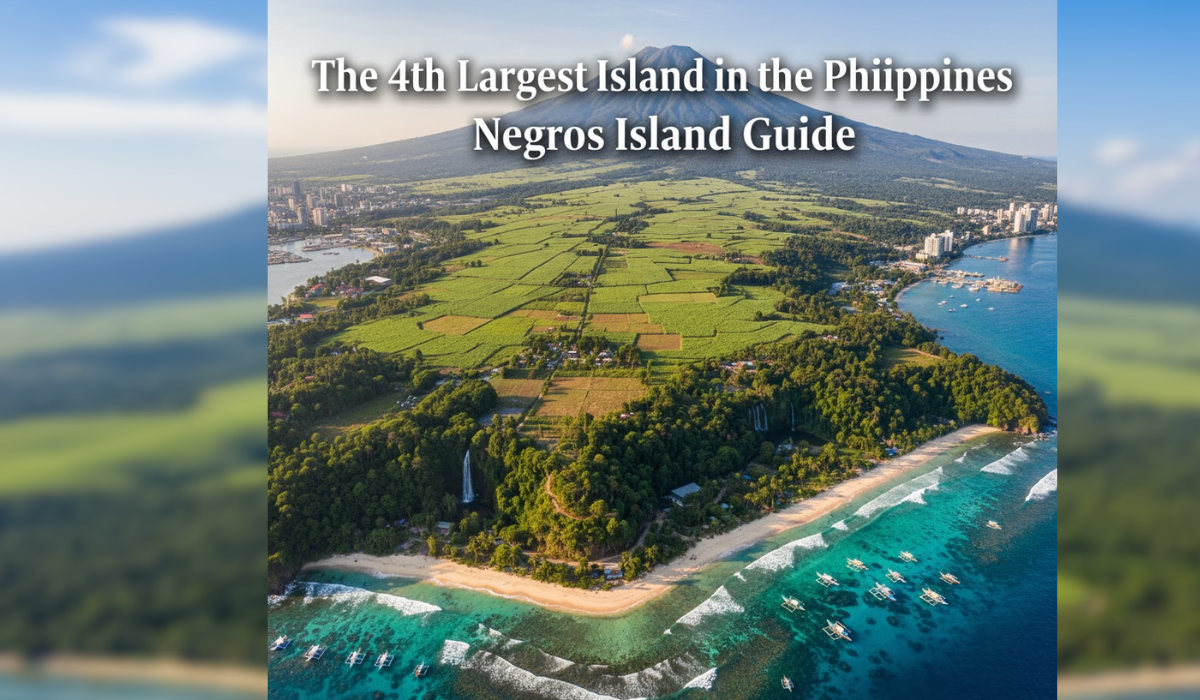
If ever you happen to think of the size of the landmasses, the 4th largest island in the philippines would probably be a question you’ll ask. Negros is the island that goes for a long time and has a wide variety in the central Visayas of the Philippines with an impressive combination of volcanic peaks, arable plains, towns with a rich history, and coastal areas. Here in this article, we are going to find out what makes Negros the 4th largest island in the philippines the places you see and do there how to get around and some travel tips for travelers as well as for readers who are merely curious.
Where the 4th largest island in the philippines sits on the map?
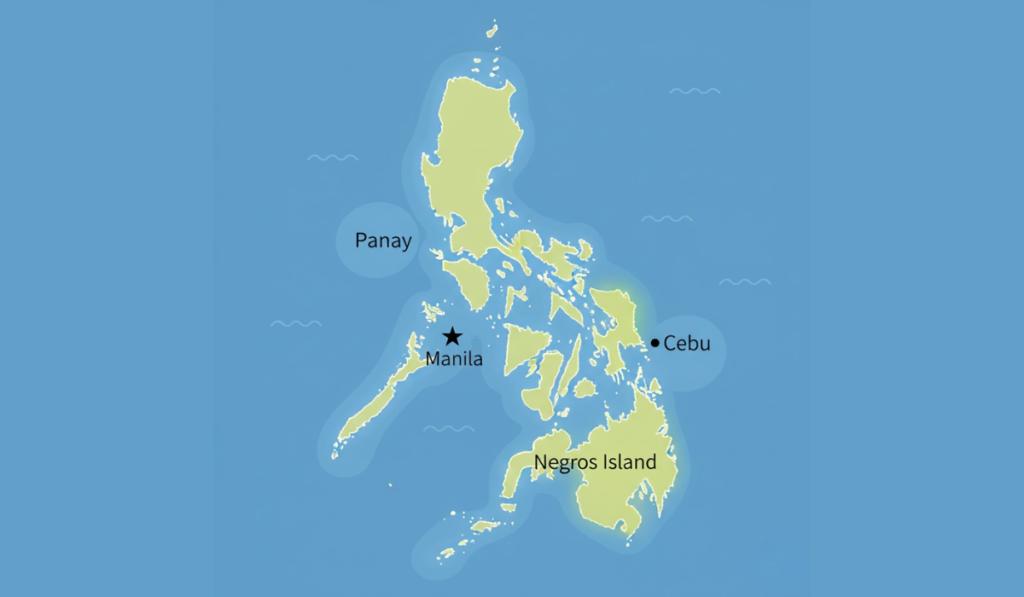
Negros is the central part of the Philippine archipelago. It is edged by Panay on the west and Cebu on the east with the Tañon Strait which separates it from Cebu Province. The island forms the Visayas group and is divided into two provinces administratively. These geographical factors not only account for the island’s cultural diversity but also for its being a hub of local trade.
How big is the 4th largest island in the philippines?
The 4th largest island in the philippines is a little more than thirteen thousand square kilometers in total area. Such a land area sets it among the major islands of the country in terms of land area thus it has a large and diverse population to support. The island is large enough to include mountain ranges, active and dormant volcanoes, vast tracts of agricultural land, and a large number of small villages along the coast.
Negros: The 4th largest island in the philippines composed of two halves
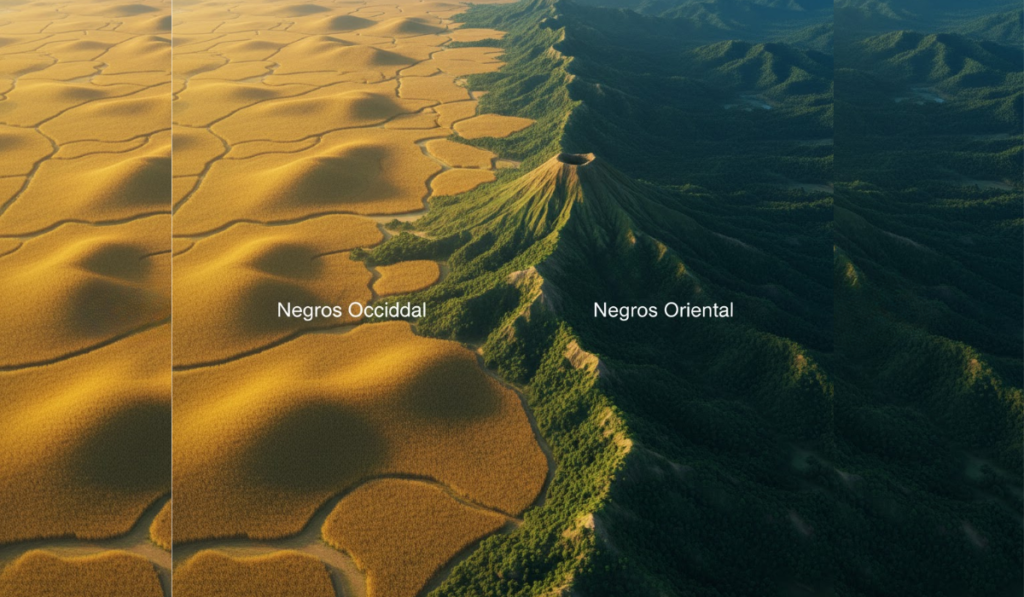
Among the features that astonish the most about the 4th largest island in the Philippines is the fact that it is split into two provinces with totally different identities. The west side is Negros Occidental, a place where Hiligaynon is the language of the majority and sugarcane plantations can be seen in most of the lowland areas. The east side is Negros Oriental, a place where Cebuano is the language that people use and where nature loving tourists are coming to enjoy the volcanic slopes and the beach. The divergence of the two sides, east and west, is following the mountain range that runs through the middle of the island which has influenced local history, culture, and economics for a very long time.
Natural highlights of the 4th largest island in the philippines
Volcanoes and peaks
Mount Kanlaon is not only the tallest mountain but also stands out with its volcanic nature and is the main attraction of the 4th largest island in the philippines. Mount Kanlaon rises above the farmland areas that are typical of the region and make up the core of the Kanlaon Natural Park which is a major water source and home to a wide range of flora and fauna. The slopes, the waterfalls and the old growth forest of the park attract tourists, adventurers and lovers of nature throughout the whole year.
Coastlines and beaches
Its 4th largest island in the philippines is endowed with hundreds of kilometers of coastlines bringing forth the white sandy beaches with crystal clear waters, hidden coves and more. There are peaceful fishing villages, small resort towns and other place where you can spend splendid and unforgettable day by the sea it all depends on which part of the island you decide to come.
Rivers and falls
There are many rivers originating in the central highlands and flowing towards the sea thus making waterfalls and valleys along the way Those rivers are the lifeblood of the island’s agriculture and the fresh water source is also the great incentive for the development of eco tourism and day trips for the city dwellers on the island.
Biodiversity
Wildlife Sanctuaries and natural parks on the 4th largest island in the philippines are the home of the rare plant and animal species. Conservation and community based projects are devised to give the local people the economic benefits they need and at the same time protect the habitats that are not only of local but also of regional importance.
Culture and economy on the 4th largest island in the philippines
Agriculture
Sugarcane has been the major crop in the 4th largest island in the philippines, mainly in the western plains. Plantations mills and related industries have been the major factors that have influenced settlement patterns land use and regional wealth. Besides that, diversification into other crops, tourism and small scale manufacturing has added more economic resilience in the region for the past several years.
Cities and towns
Bacolod is the largest city on the 4th largest island in the philippines and is the main hub for commerce, culture, and transport. Dumaguete is another famous city located on the eastern side, known for its universities, arts, and relaxed coastal lifestyle. Urban centers, thus, serve as entry points to the countryside and the main areas for island touring.
Festivals and food
The 4th largest island in the philippines is well known for a range of local festivals and food culture that merges the regional Visayan flavors. Street food, restaurants and festivals are great ways to get a taste of the local life. The island is also famous for the combination of sweet confections, rich stews and seafood, which mirror both the agricultural and coastal bounties.
What to do when you visit the 4th largest island in the philippines?
Hiking and Volcanic Exploration
Whether it’s hiking up the trails or exploring the national park areas of Mount Kanlaon, one gets a chance to see the changing views of the nature and the far reaching scenery from the top. Along with the scientific explanation, local guides can also give the cultural aspects and the significance of nature to the people.
Beach Trips and Island Hopping
Why not make day trips to the islands, or beaches and go snorkeling, diving, or simply enjoy the sun on an unpopulated beach? Being the 4th largest island in the Philippines, it still has a lot of undiscovered beaches that are great for those who are eager to go beyond the most frequented places.
Cultural Walking Tours
Visit churches with a rich history, old houses and market districts in cities like Bacolod and Dumaguete. Walking tours give visitors the opportunity to be totally involved in the everyday life and local history of the 4th largest island in the Philippines.
Agritourism and Farm Visits
How about visiting the sugarcane fields, small farms, and local producers to understand the agricultural practices both traditional and organic in the field of science? By tasting the products and being taught on food production, visitors get connected with the locals’ way of life.
Wildlife and Conservation Visits
Help support community based parks and nature reserves where environmentally friendly projects are implemented to protect native species and rejuvenate their natural habitats. Taking part in eco tourism besides providing funds for the activities also gives visitors a chance to know more about the 4th largest island in the Philippines from a nature perspective.
Getting to and around the 4th largest island in the philippines
Air travel
The big cities on the 4th biggest island in the Philippines each have an airport with regular domestic flights linking to Manila Cebu and other regional hubs. If you come from the far parts of the country, flights are the quickest way to get to the island.
Ferries and sea travel
By ferry, you can easily get from Negros to the surrounding islands and enjoy the beautiful view while having more options to plan your trip if you still have time left. Ferries are a good way if you want to visit different islands at the same time and also if you have a vehicle.
Overland travel
There are roads that connect cities, towns, and coastal communities throughout the 4th biggest island in the Philippines. Bus services, shared vans, and private transfers are widely available. The time of the journey depends on the land, traffic, and the condition of the road, so make your plan accordingly.
Local transport
Tricycles, jeepneys, taxis, and rented motorcycles are means of transport that can offer you short distance mobility within towns and rural areas. Local transport networks are quite good and cheap, however, the level of comfort and speed is not up to modern standards.
Practical travel tips for visiting the 4th largest island in the philippines
Best time to go
It is recommended to take into account the seasonal weather patterns and local festivals while planning your visit to the 4th largest island in the Philippines. Beach activities, hiking, and island hopping can be done with more comfort and enjoyment in the dry season due to the stable weather conditions. However, one needs be aware that typhoon season is capable of causing heavy downpours, especially on the eastern coast, hence it is better to check weather and local advice beforehand.
Health and safety
It is advisable to always have with you a first aid kit, insect repellent, and any medications that are required. The safety measures that have to be taken when doing swimming, hiking, or traveling by small boats should always be followed. In addition, it is recommended that respect be paid towards locals’ instructions, specifically in the areas that have been designated as nature reserves.
Respect community and environment
By purchasing the tickets of community run tours, employing local guides, and buying goods from small businesses you will be feeding local economies. Never leave garbage in naturals areas and always obey the rules of visitors that have been established. Making sustainable choices is a way of guaranteeing that the natural beauty and the cultural vibrancy of the 4th largest island in the Philippines will be there not only for other tourists but also for the locals.
The 4th largest island in the philippines and its significance
Negros is a place that has significance in terms of ecology, culture, and economy. Its vast area can accommodate the production of plenty of agricultural goods, the growth of the city, and the availability of different kinds of natural habitats. The island stands as an example of how physical features, past events and human activities can combine to result in deep regional identities. So, no matter if you are a traveler, a researcher or just an intrigued person, the 4th largest island in the Philippines has things to unveil, that will suit your interests.
Final thoughts about the 4th largest island in the philippines
The 4th largest island in the Philippines is a place that deserves to be noticed no matter if your interest is geography, culture, nature, or travel. It can be said that its mountains, beaches, cities, farms, and communities make up a diverse terrain which will give you back in the form of reward, if you choose to discover it and engage with it in a thoughtful manner. Map out your trip in advance, think of the eco friendly options, and then use your time to learn from local hosts. Next time you glance at a map of the Philippines do not forget to put the name Negros and the role it plays as the 4th largest island in the Philippines.
FAQs
1. Why is Negros called the 4th largest island in the Philippines?
Negros is considered the 4th largest island in the Philippines in terms of land area. Various authoritative geographic data reveal that its total area is approximately 13,309.6 km². By this extent, it is ranked as the 4th largest island after Luzon, Mindanao, and Samar.
2. How is Negros Island divided administratively?
Negros is divided into two treasuries: Negros Occidental (the western half) and Negros Oriental (the eastern half). The separation goes down not only the administration but also culture and dialect Hiligaynon is spoken more widely in the west, while Cebuano is more frequently used in the east.
3. What is the highest point on the 4th largest island in the Philippines?
The highest point is Mount Kanlaon an active stratovolcano which elevates to about 2,465 meters (8,086 ft) above sea level. The volcano is, actually, one of the most outstanding features of the island.
4. Is Mount Kanlaon active or dormant?
Mount Kanlaon is an active volcano. Its volcanic activity has not only been the major cause of the changes in the island’s landscape but also it continues to have an impact on the island’s biodiversity and geothermal resources.
5. What are some major natural attractions on Negros?
Some of the best nature spots are:
Balinsasayao Twin Lakes Natural Park two lakes formed in craters and nestled in wooded mountains.
Casaroro Falls a picturesque waterfall that can be reached by trekking from Valencia.
Sagay Marine Reserve a facility off the coast of Negros Occidental aimed at the protection of coral reefs and marine life.
Mambukal a resort area characterized by the presence of warm pools containing sulfur and waterfalls.
6. What drives the economy of the 4th largest island in the Philippines?
Negros has a strong agricultural background. It is most notably famous for its sugarcane industry historically, a large part of the Philippines’ sugar has been the product of Negros. Besides sugar, the island still grows rice, coconuts, bananas, and corn. There are also some mineral deposits, e.g., copper, coal, and gypsum.
7. What is the population and key cities on Negros Island?
Negros has the population that is quite sizable and is spread across the two provinces. The major cities would be:
Bacolod (in Negros Occidental) a significant economic and cultural center.
Dumaguete (in Negros Oriental) a city famous for its university, relaxed vibe, and the door to nature based tourism.
8. Is there a risk of volcanic eruptions or earthquakes on Negros?
Yes. The existence of Mount Kanlaon as an active volcano means that the possibility of volcanic activity is always there. Those who are visiting or living in the area must follow the warnings and updates issued by the Philippine Institute of Volcanology and Seismology (PHIVOLCS). Moreover, like other islands in the Philippines, it is susceptible to seismic activities, so being prepared for safety measures is a wise thing.
9. What languages are spoken on the 4th largest island in the Philippines?
The island do have linguistic differences. In Negros Occidental (west), Hiligaynon (also called Ilonggo) is the main language. In Negros Oriental (east), the people mostly speak Cebuano. Besides, English and Filipino are also widely spoken, especially in the cities and for tourism purposes.
10. Are there protected areas or conservation initiatives on Negros?
Of course. Negros Island is home to a number of protected and ecologically valuable zones:
Balinsasayao Twin Lakes Natural Park is a nature reserve with forests and crater lake ecosystems.
Sagay Marine Reserve is a coral reef protection area that also focuses on the sea life and marine biodiversity off the coast of Negros Occidental.
Additionally, there is a comprehensive biodiversity plan for the area which directs the focus on the local species such as the Negros shrew and gradually aims at providing more habitat protection.
11. How can tourists travel around the 4th largest island in the Philippines?
Tourists may get to Negros and move within the area by different means:
By Air There are flights from major hubs in the Philippines to cities like Bacolod and Dumaguete.
By Sea Negros is linked with a few other islands by a ferry service that also offer Pasig crossings.
On Land The locals use buses, vans, taxis, tricycles, and motorcycles for transport. The roads link together the main cities, the mountain areas, and the coastal towns.
12. What is the best time to visit Negros Island?
The best time to come is when the weather is good. The dry season is mostly from November to April. It is in that time that you can do hiking, beach trips, and island hopping with less weather concerns. The rainy and typhoon months can still allow you to travel, but it will be difficult and the only regions you could go to are the east and the mountains.
You may also like this : The Future of Smart Printing | Fun Crafts ThunderOnTheGulf Extravaganza